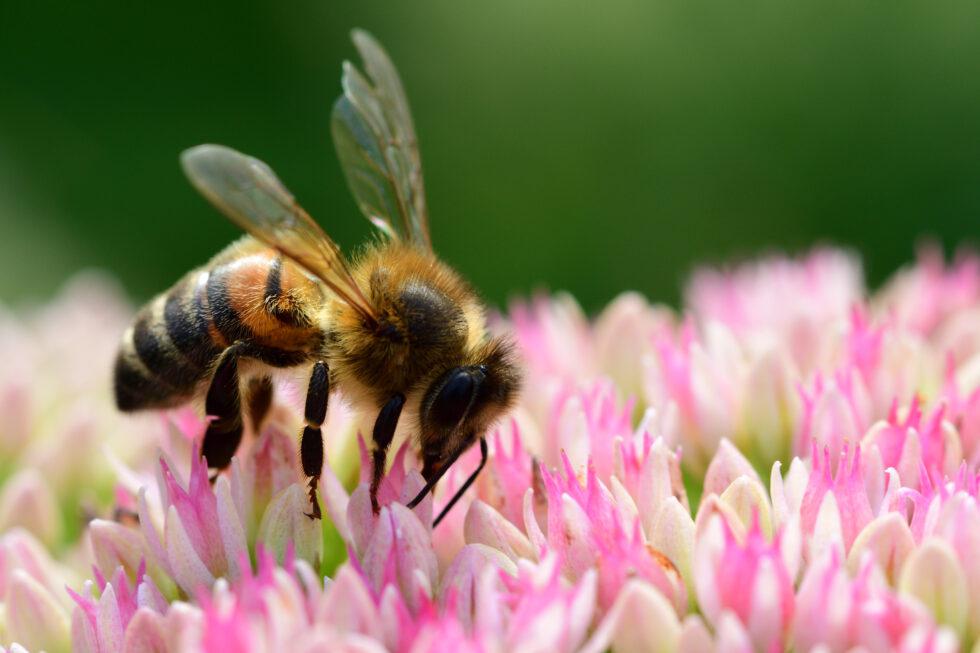
From backyard barbecues and neighborhood walks to afternoons at local parks, North Austin residents spend plenty of time outdoors. Most outdoor encounters with insects are harmless, but mosquitoes, fire ants, bees, wasps, and other insects can occasionally leave someone with a painful bite or sting that requires medical attention.
Insect bites and stings are especially common during the warmer months when people spend more time outside, and insects are more active. While many reactions cause nothing more than temporary itching, redness, or swelling, others can lead to infection, significant skin reactions, or potentially life-threatening allergic reactions. Knowing what to do immediately after a bite or sting and recognizing when to seek professional care can help prevent complications and support a smoother recovery.
At AFC Urgent Care North Austin, insect bites and stings are among the minor injuries and skin concerns our team can evaluate. Whether the reaction comes from a mosquito, fire ant, bee, wasp, or another local insect, taking the right steps early can make all the difference.
Visit AFC North Austin, TX today.
Why Insect Bites and Stings Should Never Be Ignored
One of the most common misconceptions about insect bites and stings is that they are always harmless. In reality, some reactions can become more serious, particularly when swelling continues to worsen; the skin becomes infected, or someone develops an allergic reaction.
Most insect bites cause localized symptoms such as redness, itching, mild pain, or swelling. Fire ant stings can be especially painful and may cause burning and itching, while mosquitoes can cause itchy bumps and may transmit illnesses in some cases. Mosquitoes are very active in Austin and can spread diseases such as West Nile and Zika.
Bee, wasp, and hornet stings can also cause reactions that range from mild irritation to severe allergic responses. Children may be particularly uncomfortable when bites or stings occur on the face, hands, or other sensitive areas. The good news is that prompt first aid and timely medical evaluation can help prevent many complications and support a smoother recovery.
What to Do Immediately After an Insect Bite or Sting
The first few minutes after an insect bite or sting are important. While it is natural to feel startled, especially when a child is involved, taking a calm and methodical approach can help reduce discomfort and identify signs of a more serious reaction.
The first step is to move away from the insect or area where the bite or sting occurred. This is particularly important with fire ants, bees, and wasps, since additional bites or stings may occur if the insect remains nearby. Fire ants are common in Austin and can create painful stings that may become infected.
If you or a family member is bitten or stung, follow these basic first-aid measures:
- Wash the affected area gently with mild soap and water.
- If a stinger is visible, carefully remove it without squeezing the area.
- Apply a cold pack wrapped in a cloth to help reduce pain and swelling.
- Avoid scratching the affected area, which can damage the skin and increase infection risk.
- Continue monitoring for worsening redness, swelling, drainage, warmth, or increasing pain.
- Avoid using harsh chemicals or irritating substances directly on the affected skin, as they may cause additional irritation.
If the bite or sting came from an insect that you can identify, make note of what happened and when it occurred. Knowing whether the reaction came from a mosquito, fire ant, bee, wasp, or another insect can help AFC healthcare providers determine appropriate next steps.
If swelling, pain, redness, or other symptoms continue to worsen rather than improve, medical evaluation may be appropriate.
If you or your child experiences a concerning insect bite, sting, or skin reaction, AFC Urgent Care North Austin offers convenient walk-in care seven days a week. Walk in or book online for quick assessment and treatment.
Mosquito Bites: A Common Concern in Austin
Mosquitoes are a familiar part of outdoor life in Austin, particularly during the warmer months. A mosquito bite often causes a small, raised, itchy bump that develops shortly after the bite. For many people, symptoms remain mild and improve on their own.
However, mosquitoes deserve extra attention because they can transmit illnesses. Austin Public Health recommends protecting against mosquito bites by using EPA-registered insect repellent, wearing long sleeves and pants when practical, and reducing standing water around the home.
Common symptoms of a mosquito bite include:
- Itching
- Small, raised bumps
- Redness around the bite
- Mild swelling
Some people may develop a stronger local reaction, with a larger area of redness and swelling. If symptoms become unusually severe, continue getting worse, or are accompanied by fever or other signs of illness; medical evaluation may be appropriate.
Families can also help reduce mosquito exposure by limiting standing water around the home and using appropriate insect protection when spending time outdoors, especially in areas where water is present such as Barton Creek and Lady Bird Lake.
Beyond Mosquitoes: Other Insect Bites and Stings Families Should Know About
Mosquitoes may be among the most familiar insects in Austin, but they are far from the only concern. Families throughout North Austin may also encounter fire ants, bees, wasps, hornets, spiders, ticks, and other insects that can cause reactions ranging from mild irritation to more serious medical complications.
Understanding which bites and stings deserve extra attention can help you make quicker decisions about when to seek care.
Fire Ant Stings and Other Common Insect Reactions
Fire ants are common in Texas and can be found in lawns, parks, and other sunny outdoor areas. They may sting repeatedly, causing burning, itching, pain, and small irritated areas on the skin. Never scratch the bumps that may form after a sting from a fire ant as they can become infected.
Pay close attention to bites or stings involving:
- Fire ants – especially when multiple stings occur or symptoms become increasingly painful
- Bees – particularly when a stinger remains in the skin or swelling is significant
- Wasps and hornets – because they can sting repeatedly and may trigger allergic reactions
- Ticks – especially when the insect remains attached or a concerning rash or illness develops afterward
- Spiders – particularly when pain, swelling, or skin changes become more severe
If an insect bite or sting causes unusual swelling, increasing pain, spreading redness, drainage, or other concerning symptoms, medical evaluation is recommended.
Spider Bites and Insect Stings
Texas is home to many harmless insects and spiders, but certain bites and stings can require prompt medical attention. Reactions may vary depending on the insect, the person’s sensitivity, and the number of bites or stings involved.
Bee, wasp, and hornet stings can occasionally trigger severe allergic reactions. Fire ant stings may cause significant burning and itching, while mosquito bites may remain itchy for several days. Mosquito bites can transmit illnesses, making prevention especially important during mosquito season.
Seek immediate care if symptoms include:
- Difficulty breathing
- Swelling of the lips, face, or throat
- Wheezing
- Dizziness or fainting
- Widespread hives
- Rapidly worsening swelling
If you’re unsure whether a bite, sting, or allergic reaction needs medical attention, AFC Urgent Care North Austin can help evaluate symptoms and determine the appropriate next steps.
When Is It Time to Go to the Emergency Room?
While many insect bites and stings can be managed through urgent care, certain reactions require emergency treatment. These situations may involve severe allergic reactions, significant swelling, breathing problems, or rapidly worsening symptoms.
Emergency care is appropriate if:
- Breathing becomes difficult.
- Signs of anaphylaxis develop.
- The lips, tongue, face, or throat begin to swell significantly.
- The person becomes dizzy, confused, or loses consciousness.
- A severe allergic reaction develops.
- Symptoms rapidly worsen after a sting or multiple bites.
When symptoms are severe or rapidly worsening, calling 911 or visiting the nearest emergency room is the safest course of action.
Helping Children Stay Safe Around Insects
Children naturally enjoy playing outside, but they may not recognize when they are approaching a fire ant mound, disturbing a nest, or getting too close to an insect. Teaching simple safety habits early can help reduce the risk of painful bites and stings while making outdoor activities more enjoyable.
Parents should encourage children to:
- Avoid disturbing insect nests or fire ant mounds
- Avoid walking barefoot through grass when insects may be present
- Stay away from swarming or aggressive insects
- Tell an adult immediately after being bitten or stung
- Avoid scratching bites and irritated areas
- Wear shoes when playing outdoors
Adult supervision also plays an important role, especially around younger children. Helping kids recognize basic insect hazards can make outdoor activities safer and more enjoyable for everyone.
Protecting Your Family from Insect Bites and Stings
Whether it’s a mosquito during an evening outside, a fire ant in the yard, or an unexpected encounter with a bee or wasp, insect bites and stings can happen when least expected. While many reactions are minor, some can lead to significant swelling, infection, allergic reactions, or illness.
Prompt first aid, close monitoring, and timely medical evaluation can help prevent many of the problems associated with insect bites and stings. When in doubt, it’s always better to have a concerning reaction evaluated than to wait for symptoms to worsen.
If you or a family member experiences a mosquito bite, fire ant sting, bee sting, wasp sting, spider bite, or other insect-related injury, AFC Urgent Care North Austin provides convenient walk-in care for non-life-threatening conditions. The clinic is located at 2510 W Parmer Ln, Suite 100, in North Austin and welcomes walk-ins seven days a week.