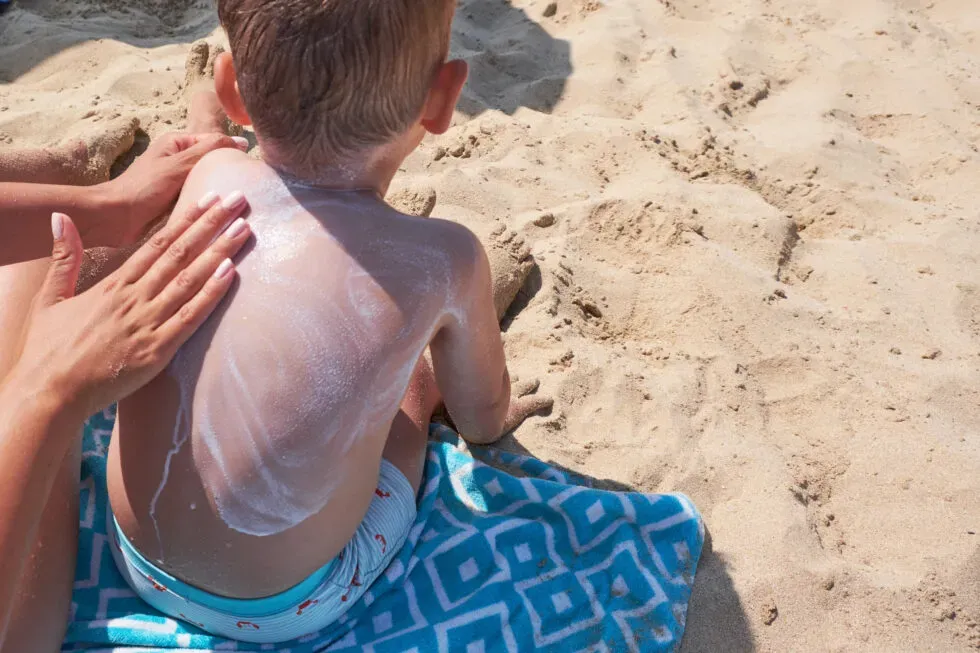
After a day outside, it’s not unusual for your child to come home with rosy cheeks and a little extra color on their shoulders. Maybe your family spent the afternoon walking around Downtown Lenoir, playing at Broyhill Walking Park, or enjoying a local event near Caldwell Community College & Technical Institute. A little too much sunshine happens to the best of us.
But sometimes a sunburn is more than just red skin. If your child starts feeling sick, develops blisters, or seems unusually tired after being in the sun, they could be experiencing sun poisoning.
Although the name sounds alarming, sun poisoning isn’t actually poisoning. It’s a severe reaction to too much exposure to the sun’s ultraviolet (UV) rays. Knowing what to watch for can help you decide when home care is enough and when it’s time to have your child evaluated by a medical provider.
What Is Sun Poisoning?
Sun poisoning is essentially a severe sunburn that causes symptoms beyond the skin. While a mild sunburn may sting for a few days before gradually fading, sun poisoning can affect how your child feels overall.
Too much sun exposure can lead to inflammation, dehydration, and, in some cases, heat-related illness. Children are especially susceptible because they have sensitive skin and often become so focused on playing that they don’t realize how much sun they’re getting.
One of the biggest differences is timing. A mild sunburn usually peaks within several hours and slowly improves. Sun poisoning often continues to worsen during the first day, even after you’ve gone inside.
What Symptoms Should You Watch For?
A bright red sunburn doesn’t automatically mean your child has sun poisoning. Instead, pay attention to how they’re acting in addition to what their skin looks like.
Children with sun poisoning may seem unusually tired, complain of feeling sick, or lose interest in eating or drinking. Those changes in behavior are often just as important as the burn itself.
Symptoms that deserve attention include:
- Large or painful blisters
- Fever or chills
- Headache
- Nausea or vomiting
- Dizziness or lightheadedness
- Swelling around the burned skin
- Signs of dehydration, including dry mouth, dark urine, or fewer trips to the bathroom
If your child is difficult to wake, seems confused, or cannot keep fluids down, don’t wait to seek medical care.
If your child’s symptoms go beyond a typical sunburn, visit AFC Urgent Care Lenoir for a walk-in evaluation. Our providers can assess their condition and recommend the right treatment.
How Can You Care for a Sunburn at Home?
Many sunburns can be treated successfully at home if symptoms remain mild.
Start by getting your child out of direct sunlight and encouraging them to drink plenty of water. Cool compresses or a cool bath may help relieve discomfort, while lightweight clothing can reduce irritation against sensitive skin.
Try not to pop any blisters if they develop. They act as a natural barrier while the skin heals and help lower the risk of infection.
It’s also a good idea to continue offering fluids throughout the day. Even if your child says they feel fine, their body may still be recovering from several hours in the heat.
When Is It Time to Visit Urgent Care?
Parents often ask whether they should wait a day or have their child evaluated right away.
In general, it’s best to seek medical care if the sunburn is accompanied by symptoms that affect the entire body. Persistent vomiting, dizziness, widespread blistering, severe pain, or signs of dehydration are all good reasons to see a provider.
Young children may need medical attention sooner because they can become dehydrated more quickly than older children and adults.
A provider can also determine whether your child is experiencing sun poisoning, heat exhaustion, or another condition that requires treatment.
You don’t have to guess whether your child’s symptoms are serious. AFC Urgent Care Lenoir offers walk-in care for severe sunburns, dehydration, and other heat-related illnesses.
How Can You Help Prevent Sun Poisoning?
No one wants a fun family outing to end with a painful sunburn, but a few simple habits can make a big difference.
Before heading outside, apply a broad-spectrum sunscreen with an SPF of at least 30 and remember to reapply it every two hours. If your child has been swimming or sweating, sunscreen should be applied even more often according to the directions on the bottle.
Lightweight clothing, sunglasses, and wide-brimmed hats provide extra protection, especially during the hottest part of the day. Taking regular breaks in the shade and encouraging everyone to drink water can also help prevent dehydration.
It’s worth remembering that UV rays don’t take a day off just because it’s cloudy. Sunburns can happen even when the sun isn’t shining brightly overhead.
Walk-In Care for Sun Poisoning in Lenoir, NC
A severe sunburn can quickly turn a fun summer day into an uncomfortable few days of recovery. Recognizing the warning signs of sun poisoning early can help your child get the care they need before symptoms become more serious.
At AFC Urgent Care Lenoir, we provide walk-in treatment for sun poisoning, severe sunburns, dehydration, heat exhaustion, and other seasonal illnesses. Our experienced providers can evaluate your child’s symptoms, recommend the appropriate treatment, and help them recover as quickly as possible.
Whether your family spent the day at Broyhill Walking Park, enjoyed an afternoon in Downtown Lenoir, or attended an event near Caldwell Community College & Technical Institute, we’re here when you need us.
Walk into AFC Urgent Care Lenoir today for fast, convenient care for sun poisoning and other heat-related illnesses. No appointment is necessary.