What Should You Do After an Animal Bite in League City, TX?
From afternoons spent at Bark Park with your pup, to family outings near Clear Lake and weekends spent exploring local green spaces, League City residents enjoy an active outdoor lifestyle. Pets are a big part of that lifestyle, and encounters with dogs, cats, wildlife, and insects are common throughout the area. While most interactions with animals are positive; bites, scratches, and stings can happen unexpectedly and may require medical attention.
Animal bites are more common than many people realize, especially during the warmer months when families spend more time outdoors. Whether it's a playful dog at the park, a startled neighborhood cat, or an encounter with local wildlife, even a seemingly minor bite can lead to infection or other complications if not properly treated. Understanding how to respond after an injury can help reduce risks and promote faster healing.
At AFC Urgent Care League City, dog bites are among the most common animal-related injuries we evaluate. Our walk-in clinic treats a wide variety of bite wounds and helps patients determine when additional treatment, antibiotics, tetanus protection, or rabies evaluation may be necessary.
Visit AFC Urgent Care League City, TX today.
Why Animal Bites Should Never Be Ignored
Many people assume that a bite only becomes serious if there is significant bleeding or obvious tissue damage. While severe wounds certainly require immediate medical attention, smaller bites can be surprisingly problematic. Even a tiny puncture wound can introduce bacteria beneath the skin, creating an environment where infection may develop over the next several days.
Animal mouths naturally contain bacteria that can cause infections when introduced into broken skin. Dogs often create tearing injuries or crushing wounds, while cats tend to leave deep puncture wounds that are difficult to clean completely. Wildlife bites introduce additional concerns because some animals may carry diseases such as rabies.
Children are particularly vulnerable to complications because they are more likely to sustain injuries to the face, neck, and hands. These areas contain delicate tissues and may require more extensive treatment than bites involving other parts of the body.
Fortunately, most bite-related complications can be prevented through prompt first aid and timely medical evaluation. Knowing when to visit urgent care can make a significant difference in preventing infections and supporting proper healing.
What to Do Immediately After an Animal Bite
The moments immediately following an animal bite can be stressful. Whether the injury involves a child, a family pet, or an unfamiliar animal, taking the proper steps right away can help reduce the risk of infection and improve recovery outcomes.
The first priority is cleaning the wound thoroughly. Running water and mild soap help flush away bacteria, dirt, and debris before they become trapped within the tissue. Even wounds that appear minor should be cleaned promptly and monitored closely.
If you or a family member experiences an animal bite, follow these first-aid steps:
- Wash the wound with soap and running water for 5 to 10 minutes.
- Apply firm pressure with a clean cloth if bleeding occurs.
- Use antibiotic ointment after bleeding has stopped.
- Cover the injury with a clean bandage.
- Monitor for swelling, drainage, redness, warmth, or worsening pain.
Avoid applying harsh chemicals directly into the wound. Rubbing alcohol and other strong antiseptics can damage healthy tissue and slow healing. It is also important not to tightly close puncture wounds, as doing so may trap bacteria beneath the skin.
If the animal belongs to someone else, try to obtain vaccination information and contact details. This information can help healthcare providers determine whether rabies prevention measures are necessary.
If a bite breaks the skin, medical evaluation within 24 hours is strongly recommended.
If you or your child experiences a dog bite, cat bite, or wildlife-related injury, AFC Urgent Care provides walk-in treatment seven days a week without requiring an appointment. Walk in or book online to be seen by an AFC healthcare provider at our convenient AFC League City location.
Dog Bites: The Most Common Animal Bite We See
Dogs are an important part of many households throughout League City. Families frequently bring their pets to neighborhood parks, walking trails, and community events. While dogs are generally friendly companions, bites can occur even when an animal has no history of aggression.
Most dog bites occur because a dog feels startled, frightened, protective, injured, or overwhelmed. A dog may react defensively when approached while sleeping, eating, guarding a toy, or recovering from an injury. Understanding these triggers can help prevent many incidents before they occur.
Children experience a significant percentage of dog bite injuries each year. Young children may not recognize when a dog is becoming anxious or uncomfortable, which increases the likelihood of a bite during otherwise routine interactions.
Learning canine body language can help families recognize warning signs early. Common signs that a dog may be stressed include:
- Flattened ears
- Avoiding eye contact
- Tail tucked beneath the body
- Lip licking
- Yawning when not tired
- Backing away from interaction
More serious warning signs include growling, lunging, baring teeth, raised fur, and rigid body posture. Teaching children and adults to recognize these behaviors can help prevent injuries before they happen.
Families interested in obedience training and pet socialization may benefit from local resources such as professional dog training programs like Endless Pawsibilities or social experiences at Dogtopia Daycare and Boarding.
Beyond Dogs: Other Animal Bites Gulf Coast Families Should Know About
While dog bites account for many animal-related injuries, they are far from the only concern for residents living along the Texas Gulf Coast. League City families may encounter a variety of domestic animals and local wildlife capable of causing injuries that require medical evaluation.
Different animals create different medical concerns. Some bites carry a greater risk of infection, while others raise concerns about rabies exposure or tissue damage. Understanding these differences can help families make informed decisions when injuries occur.
Cat Bites
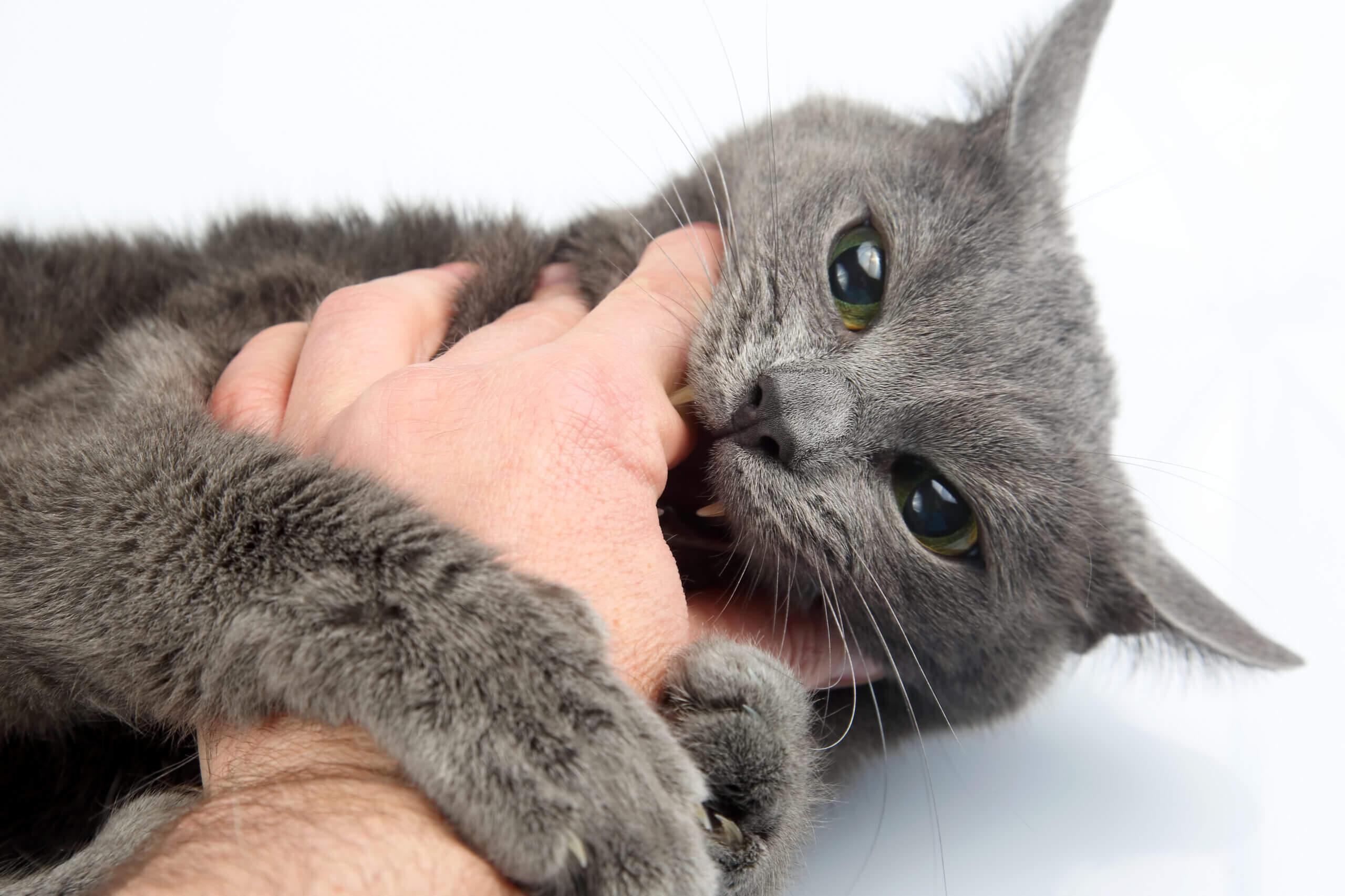
Cat bites often appear less severe than dog bites because the wounds tend to be smaller. However, they frequently pose a higher infection risk because a cat's teeth create narrow puncture wounds that can trap bacteria beneath the skin.
Infections can develop quickly following a cat bite, particularly when the injury involves the hands, fingers, wrists, or face. Any increasing redness, swelling, warmth, or drainage should be evaluated promptly.
Wildlife Encounters
League City's proximity to wetlands, nature preserves, and green spaces means residents occasionally encounter wildlife. Most animals avoid human contact, but interactions can occur unexpectedly.
Wild animals that may carry rabies include:
- Raccoons
- Skunks
- Bats
- Foxes
- Coyotes
Any bite from one of these animals should be treated seriously. If the animal appears unusually aggressive, confused, or unafraid of people, immediate medical evaluation is recommended.
Rodents and Small Mammals
Squirrels, rats, mice, and other small mammals generally pose a lower rabies risk, but they can still transmit bacteria and other pathogens through bites and scratches. Proper wound care and medical evaluation are recommended whenever the skin is broken.
Snake Bites and Spider Bites Along the Gulf Coast
The Gulf Coast region is home to several snake and spider species, most of which are harmless. However, some species can cause significant medical problems and require immediate attention.
Venomous snakes found throughout Southeast Texas include rattlesnakes, copperheads, cottonmouths, and coral snakes. Although snake bites are relatively uncommon, they should always be treated as medical emergencies.
If you suspect a venomous snake bite:
- Remain calm.
- Limit movement as much as possible.
- Keep the affected area immobilized.
- Remove jewelry or tight clothing.
- Seek emergency medical care immediately.
Avoid cutting the wound, attempting to suck out venom, applying ice, or using a tourniquet. These methods are ineffective and can worsen tissue damage.
Spider bites are typically less serious, but black widow and brown recluse spiders can occasionally cause severe symptoms. Increasing pain, muscle cramping, tissue injury, or worsening skin changes should be medically evaluated.
Bee Stings, Fire Ant Bites, and Other Insect Encounters
League City's warm climate creates ideal conditions for a variety of insects capable of causing painful bites and stings. Residents commonly encounter fire ants, mosquitoes, bees, hornets, and wasps throughout much of the year.
Most insect bites cause localized redness, itching, swelling, and discomfort that gradually improve. However, some individuals experience allergic reactions that require immediate medical attention.
Warning signs of a severe allergic reaction include:
- Difficulty breathing
- Wheezing
- Swelling of the face, lips, or throat
- Dizziness
- Fainting
- Widespread hives
These symptoms may indicate anaphylaxis, which is a life-threatening emergency requiring immediate treatment.
When Should You Visit Urgent Care?
Many animal bites can be effectively treated at a walk-in clinic. Seeking care quickly helps reduce infection risk and allows healthcare providers to determine whether antibiotics, tetanus protection, or rabies evaluation may be necessary.
Urgent care is often appropriate when:
- The bite breaks the skin.
- A puncture wound is present.
- The injury involves the face, hands, feet, or neck.
- Redness or swelling develops.
- You are unsure of your tetanus vaccination status.
- A cat bite has occurred.
- Signs of infection appear.
- Rabies exposure is possible.
If you're searching for urgent care near you after an animal bite, AFC Urgent Care League City provides fast evaluation and treatment without the need for an appointment.
When Is It Time to Go to the Emergency Room?
While many bites can be treated at urgent care, certain injuries require emergency medical attention. Severe trauma, venomous snake bites, uncontrolled bleeding, and life-threatening allergic reactions should always be evaluated in an emergency setting.
Emergency care is recommended if:
- Bleeding continues after 10 to 15 minutes of direct pressure.
- Breathing becomes difficult.
- Severe facial injuries occur.
- Signs of anaphylaxis develop.
- A venomous snake is involved.
- Significant tissue damage is suspected.
- Loss of consciousness occurs.
When symptoms appear severe or rapidly worsen, calling 911 or visiting the nearest emergency room is the safest option.
Helping Children Stay Safe Around Animals
Children naturally enjoy interacting with animals, but they often have difficulty recognizing when an animal feels uncomfortable or threatened. Teaching children safe habits around animals can significantly reduce the risk of bites and scratches.
Parents should encourage children to ask permission before petting unfamiliar dogs, avoid approaching animals that are eating or sleeping, and respecting an animal's personal space. Running toward a dog or attempting to hug an unfamiliar animal can sometimes trigger defensive behavior.
Adult supervision is equally important. Even trusted family pets should never be left unsupervised with very young children. Many bite injuries occur during everyday interactions when warning signs are missed.
Helping children understand basic animal body language can make interactions safer, more positive, and more enjoyable for everyone involved.
Protecting Your Family After an Animal Bite
Whether the injury involves a family dog, a neighborhood cat, local wildlife, or an insect sting, animal bites can occur when least expected. While many wounds are minor, every bite that breaks the skin deserves careful attention due to the potential for infection, rabies exposure, and other complications.
Prompt first aid, close observation, and professional medical evaluation can help prevent many of the problems associated with animal bites. Knowing when to visit urgent care versus when emergency treatment is necessary can help families make informed healthcare decisions.
If you or a family member experiences a dog bite, cat bite, insect sting, or other animal-related injury, AFC Urgent Care League City provides convenient walk-in care to help you recover quickly and safely so you can get back to enjoying life along the Texas Gulf Coast.