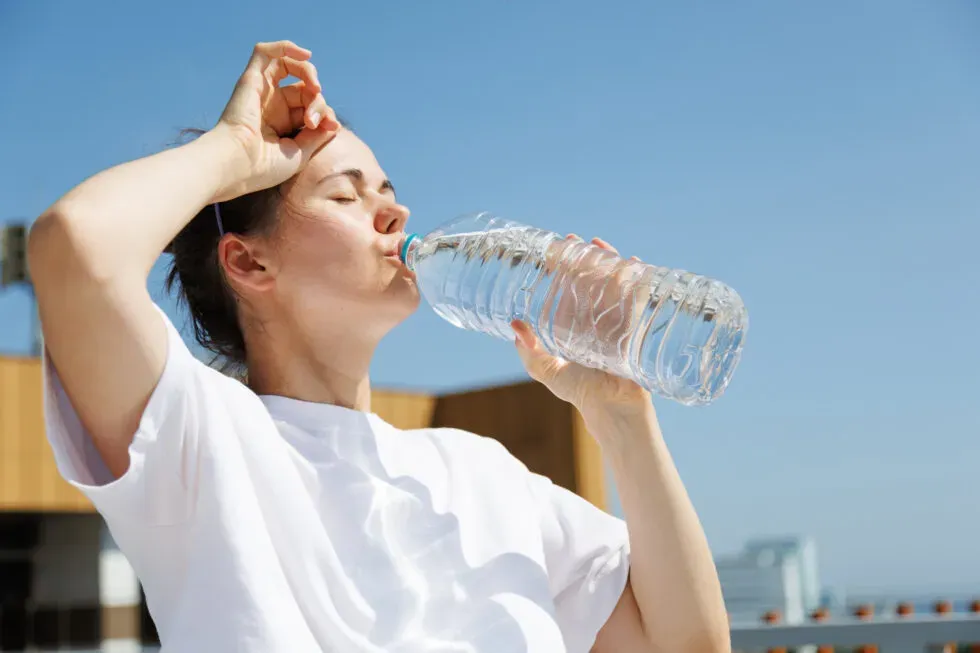
Summer in Huntersville can mean long days outside, from time on Lake Norman to backyard gatherings, sports practices, and afternoons spent enjoying the sunshine. But when temperatures climb and humidity rises, staying hydrated becomes more than just a good habit. It’s an important part of preventing heat-related illness.
During a heat wave, your body loses more water through sweating, and dehydration can happen faster than you might expect. The good news is that a few simple hydration strategies can help you stay comfortable, active, and safer during the hottest days of summer.
Why Hydration Matters During a Heat Wave
Your body relies on sweating to help regulate its temperature. When you’re dehydrated, you have less fluid available to support that cooling process, which can increase your risk of heat exhaustion and, in severe cases, heatstroke. You don’t have to wait until you’re thirsty to drink. By the time you feel thirsty, you may already need more fluids.
Start Hydrating Before You Head Outside
One of the easiest ways to stay ahead of dehydration is to start drinking water before outdoor activities begin. If you’re exercising for an extended period or sweating heavily, an electrolyte-containing beverage may also be helpful.
If you’re planning a day at the lake, working in the yard, or heading to an outdoor event:
- Drink water throughout the morning.
- Bring a refillable water bottle with you.
- Take regular water breaks rather than drinking large amounts all at once.
- Increase your fluid intake when you’re sweating heavily.
Don’t Forget About Food and Electrolytes
Water isn’t the only thing your body loses when you sweat. You also lose electrolytes, including sodium and potassium. For most everyday activities, a balanced diet and regular water intake are enough. During prolonged exercise or heavy sweating, however, replacing electrolytes can be beneficial. Just be mindful of sugary drinks and alcohol, which aren’t ideal choices for staying hydrated during extreme heat.
Know the Early Signs of Dehydration
Catching dehydration early can help prevent it from progressing to heat exhaustion. If you notice these signs, move somewhere cool, rest, and start replacing fluids.
Pay attention to symptoms such as:
- Increased thirst
- Dry mouth
- Dark yellow urine
- Headache
- Fatigue or weakness
- Dizziness or lightheadedness
- Muscle cramps
Recognize the Warning Signs of Heat Exhaustion
Heat exhaustion can develop when your body becomes overwhelmed by heat. Symptoms may include:
- Heavy sweating
- Weakness or extreme fatigue
- Dizziness
- Headache
- Nausea
- Muscle cramps
- Cool, pale, or clammy skin
- Fast, weak pulse
Stop outdoor activity and move to an air-conditioned or shaded area if these symptoms occur. Drink fluids and focus on cooling your body. If symptoms aren’t improving or are getting worse, seek medical care.
Heatstroke Is a Medical Emergency
Heatstroke is much more serious and requires immediate emergency attention. Warning signs can include:
- Confusion or unusual behavior
- Loss of consciousness
- Severe headache
- Very high body temperature
- Hot, flushed skin
- Rapid heartbeat
- Seizures
If heatstroke is suspected, call 911 immediately. While waiting for emergency help, move the person to a cooler location and begin cooling them with whatever methods are available.
Who Needs to Be Especially Careful?
Anyone can become dehydrated or develop heat-related illness, but some people may be more vulnerable, including young children, older adults, athletes, outdoor workers, and people with certain medical conditions. Pets can also overheat quickly, so remember to provide plenty of water and a cool place for them to rest.
Stay Cool and Hydrated This Summer
A Huntersville heat wave doesn’t have to keep you indoors all summer, but it does require a little extra planning. Drink fluids regularly, take breaks from the heat, dress appropriately, and pay attention to how you’re feeling.
If you develop symptoms of heat exhaustion that don’t improve with rest and hydration, AFC Huntersville is here to provide convenient care when you need it. And if you notice signs of heatstroke, seek emergency medical attention immediately. A little preparation can go a long way toward keeping your summer plans enjoyable and helping you stay safe in the North Carolina heat.