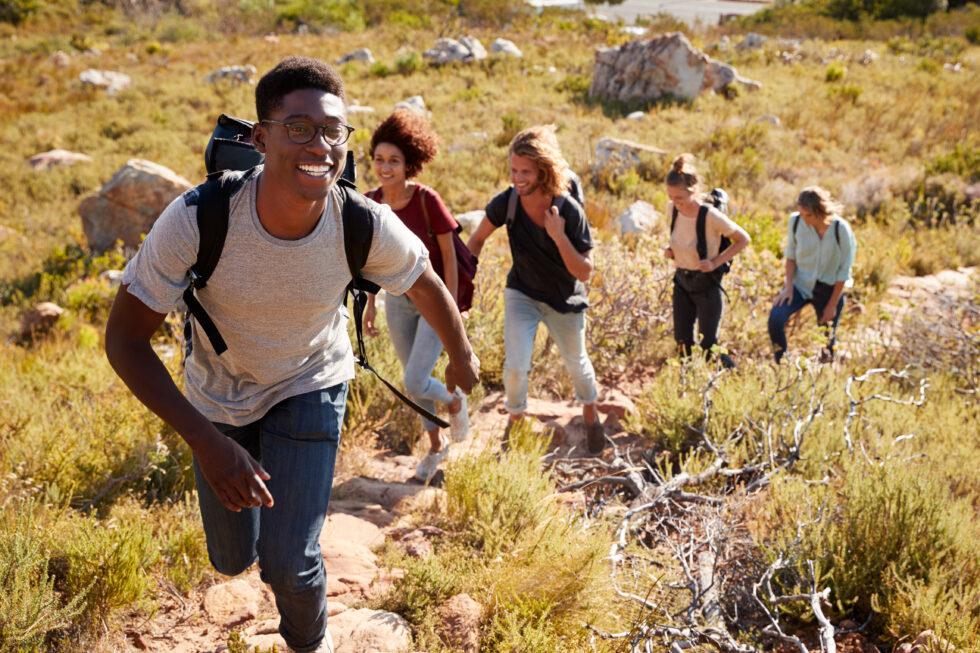
Grand Junction summers are made for getting outside. From hiking among the towering rock formations of Colorado National Monument to paddling along the Colorado River or escaping to the cooler temperatures atop Grand Mesa, there’s no shortage of ways to enjoy the Western Slope. But while the sunshine feels inviting and the dry air often seems more comfortable than humid climates, those same conditions can make it surprisingly easy to become dehydrated.
Unlike muggy summer weather where sweat is obvious, Colorado’s high-desert climate allows moisture to evaporate quickly. You may not realize how much fluid you’re losing until a headache, muscle cramps, or fatigue begin to set in. Add in Colorado’s strong UV exposure, and a day of outdoor fun can leave you with more than just a painful sunburn.
If you’ve ever wondered why, you feel completely drained after spending the day outside even when temperatures didn’t seem extreme, you’re not imagining it. Grand Junction’s climate presents unique challenges but understanding how your body responds can help you stay safe all summer long.
Visit AFC Grand Junction today.
Why Sunburn and Heat Exhaustion Often Go Together
Most people think of sunburn as a skin problem, but it can affect much more than your shoulders or nose. When your skin is damaged by ultraviolet (UV) rays, your body begins repairing the injury immediately. That process increases inflammation and makes it easier to lose fluids, which is the last thing you want during a hot summer day in western Colorado.
At the same time, your body is already working harder to stay cool in Grand Junction’s dry climate. Even if you don’t feel soaked with sweat, you’re still losing water through perspiration and breathing. Without replacing those fluids, dehydration can develop faster than many people expect.
That’s why severe sunburn and heat exhaustion often appear together. The longer you’re outdoors without adequate water, sunscreen, or breaks from the sun, the more difficult it becomes for your body to regulate its temperature and recover.
Recognizing the Signs Before Heat Illness Becomes Serious
Heat exhaustion rarely happens at once. More often, it builds gradually after hours of hiking, biking, sightseeing, or simply enjoying time outdoors. You may start to feel thirstier than usual or notice that your energy is fading long before you realize your body is struggling to keep up with the heat.
Common warning signs include:
- Dizziness or lightheadedness
- Headache
- Muscle cramps
- Nausea
- Excessive thirst
- Heavy sweating
- Weakness or unusual fatigue
If you begin noticing these symptoms, don’t ignore them or try to push through your plans. Find a cool or shaded place to rest, drink water or an electrolyte beverage, and give your body time to recover. If your symptoms don’t improve, become more severe, or you’re experiencing confusion, difficulty staying awake, or vomiting, it’s important to seek prompt medical evaluation. Early treatment can often prevent heat exhaustion from progressing into a more serious heat-related illness. Walk in or book online with AFC Grand Junction for quick assessment and relief.
Is It Just Sunburn, or Could It Be Heat Exhaustion?
After a long day outside, it isn’t always easy to tell whether you’re simply dealing with a sunburn or something more. While sunburn primarily affects your skin, heat exhaustion impacts your entire body. Because the two often occur together, it’s common to experience overlapping symptoms like fatigue, headaches, or nausea after spending hours in the Colorado sun.
If your symptoms go beyond red, painful skin especially if you’re feeling dizzy, unusually weak, or unable to stay hydrated, it may be time to seek medical care. Getting evaluated early can help prevent a mild heat-related illness from becoming more serious and get you feeling better sooner.
Enjoy Grand Junction’s Summer Adventures Safely
One of the best parts about living in or visiting Grand Junction is having so many opportunities to explore the outdoors. Whether you’re taking in the breathtaking views at Colorado National Monument, cooling off with a paddle along the Colorado Riverfront Trail, or escaping to the forests and lakes of Grand Mesa, a little preparation can make all the difference.
Before heading out, apply a broad-spectrum sunscreen with SPF 30 or higher and remember to reapply it every two hours, especially if you’re sweating or spending extended time in direct sunlight. Bring more water than you think you’ll need, take breaks in the shade whenever possible, and don’t wait until you feel thirsty before drinking. Colorado’s low humidity can make dehydration surprisingly easy to overlook, even on days that don’t feel especially hot.
Most importantly, pay attention to how you feel. If you notice headaches, dizziness, muscle cramps, or unusual fatigue, give yourself permission to slow down. Taking a short break to cool off and rehydrate can help you safely enjoy the rest of your day instead of cutting your adventure short.
Walk-In Care for Sunburn and Heat Illness in Grand Junction
Summer should be remembered for scenic hikes, family vacations, and time spent exploring everything the Western Slope has to offer, not for recovering from dehydration or a painful sunburn. Understanding how Grand Junction’s high-desert climate, strong UV exposure, and dry air affect your body can help you enjoy the season safely, whether you’re spending the day close to home or exploring nearby communities.
If too much time in the sun leaves you dealing with severe sunburn, dehydration, heat exhaustion, or lingering symptoms that don’t improve with rest and fluids, AFC Urgent Care Grand Junction is here to help. Our experienced medical team provides convenient walk-in care seven days a week, with no appointment necessary, for patients throughout the Grand Junction area, including Fruita (81521), the Redlands (81507), Clifton (81520), and Palisade (81526).
Feeling the effects of Colorado’s summer sun? Whether you’re returning from a day on the trails, working outdoors, or enjoying the sunshine anywhere across the Grand Valley, visit AFC Urgent Care Grand Junction for fast, walk-in evaluation and treatment when you need it most.