Colorado’s Front Range communities like Englewood are built around an active, outdoor lifestyle where pets are part of everyday life. From rescue dogs adjusting to new homes to training classes across the Denver metro area, it’s common to see families walking dogs through neighborhoods, visiting dog daycare facilities, or working on leash training at local behavior centers. While this strong pet culture is one of the best parts of living in Colorado, it also means animal interactions are frequent and occasionally unpredictable.
Most animal encounters are harmless. But even well-trained, friendly pets can bite when they feel startled, overstimulated, injured, or threatened. Wildlife encounters are also more common in Colorado than in many other states, especially in areas near foothills, open space corridors, and suburban expansion areas. When a bite or sting does occur, knowing how to respond quickly can make a major difference in preventing infection and complications.
At AFC Urgent Care Englewood, we regularly evaluate animal-related injuries ranging from dog bites and cat scratches to wildlife exposures and insect stings. While many cases are minor, prompt treatment helps reduce infection risk and ensures proper healing.
Visit AFC Urgent Care Englewood today.
Why Animal Bites Should Never Be Ignored
Animal bites are often underestimated because the initial wound may look small. However, even minor puncture wounds can introduce bacteria deep beneath the skin, where infections can develop over time. This is especially true when bites occur on the hands, fingers, or joints, where circulation is more complex and swelling can spread quickly.
Dogs typically cause tearing or crushing injuries, while cats create narrow puncture wounds that close quickly on the surface but trap bacteria underneath. Wildlife bites introduce additional concerns, including rabies exposure, depending on the species involved.
Colorado’s active pet community, combined with a growing population of adopted rescue animals, means many families are exposed to dogs with unknown histories or transitional behavior patterns. Even well-socialized pets may react unpredictably in stressful moments.
Children are especially vulnerable to more serious bite injuries due to their size and natural curiosity. Injuries to the face, neck, or hands should always be evaluated promptly.
What to Do Immediately After an Animal Bite
Immediate first aid plays a critical role in preventing infection and supporting healing. Even if the injury appears minor, proper cleaning is essential because bacteria from the animal’s mouth can enter the wound within seconds.
If an animal bite occurs, take the following steps:
- Wash the wound thoroughly with mild soap and running water for 5–10 minutes.
- Apply firm pressure with a clean cloth to control bleeding.
- Use antibiotic ointment once bleeding has slowed.
- Cover the wound with a clean, sterile bandage.
- Monitor for increasing redness, swelling, warmth, drainage, or pain.
Avoid using harsh chemicals like alcohol or hydrogen peroxide, as these can damage healthy tissue and slow healing. Do not seal puncture wounds tightly, as this can trap bacteria inside the skin.
If possible, gather information about the animal, including vaccination status and owner contact details. This is especially important for dog or cat bites where rabies risk may need to be assessed.
Any bite that breaks the skin should be evaluated by a healthcare provider within 24 hours.
Dog Bites: The Most Common Animal Injury We Treat
Dog bites remain the most common animal-related injury seen in urgent care centers across the United States, including Englewood and the greater Denver metro area. With Colorado’s strong dog-friendly culture, many households include one or more pets, and interactions between people and dogs are frequent in both residential and community settings.
Most dog bites are not caused by aggression alone. Instead, they often happen when a dog feels:
- Startled or surprised
- Protective of food or toys
- Overwhelmed by noise or activity
- Fearful in unfamiliar situations
- In pain or discomfort
Children make up a significant portion of dog bite cases because they may not recognize early warning signals. Understanding canine body language is one of the most effective prevention tools available.
Warning signs of discomfort include:
- Ears pinned back
- Lip licking or yawning
- Turning away or avoiding eye contact
- Tail tucked under the body
- Moving away or freezing
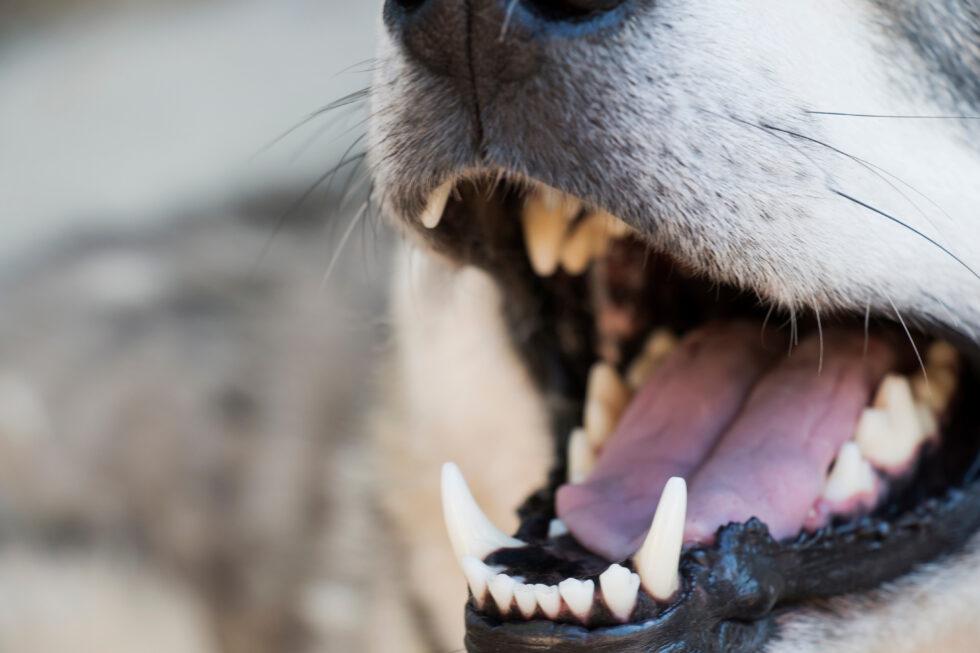
More serious warning signs include growling, stiff posture, raised fur, or baring teeth.
Colorado has a strong network of dog behavior and training resources that help reduce bite risk through education and socialization. Local organizations such as the Humane Colorado, along with professional trainers like Off-Leash K9 Training, and Canine Rehabilitation & Conditioning Group, provide structured behavior programs that help dogs build confidence and improve communication with owners.
Proper training, early socialization, and ongoing reinforcement are key factors in reducing bite incidents in both family pets and newly adopted dogs.
Beyond Dogs: Other Animal Bites in Colorado
While dogs account for most bite injuries, Colorado residents also face exposure to wildlife and other animals that can cause injury or infection.
Cat Bites
Cat bites are deceptively small but carry a higher risk of infection than dog bites. Their sharp teeth create deep puncture wounds that close quickly on the surface, allowing bacteria to become trapped inside.
Cat bites should be taken seriously, especially if they occur on the hands, face, or joints. Increasing pain, redness, swelling, or drainage are signs that medical care is needed.
Wildlife Encounters in Colorado
Colorado’s mix of urban expansion and natural habitat means wildlife encounters are more common than in many other states. Animals that may carry rabies or cause injury include:
- Bats
- Raccoons
- Skunks
- Foxes
- Coyotes
Bat exposures are particularly important because bites may be small or unnoticed. Any direct contact or exposure in a closed space should be evaluated medically.
Rodents and Small Mammals
Squirrels, mice, prairie dogs, and other small mammals are less likely to carry rabies but can still introduce bacteria through bites or scratches. Any break in the skin should be cleaned and monitored carefully.
Snake Bites and Spider Bites in Colorado
Colorado is home to several snake species, including the prairie rattlesnake, which is the state’s primary venomous snake. Snake bites are rare but require immediate emergency attention.
If a snake bite is suspected:
- Stay calm and limit movement
- Keep the affected area still and below heart level
- Remove jewelry or tight clothing
- Seek emergency care immediately
Do not attempt to suck out venom, apply ice, or use a tourniquet.
Spider bites are usually mild but can occasionally involve medically significant species such as the black widow or brown recluse. Severe pain, cramping, or worsening skin damage should be evaluated promptly.
Bee Stings, Tick Bites, and Other Insect Encounters
Outdoor activity across Englewood and surrounding Colorado communities increases exposure to insects such as bees, wasps, mosquitoes, and ticks. Most reactions are mild, but some can become serious.
Common symptoms include redness, swelling, itching, and localized pain. However, allergic reactions require immediate attention.
Signs of a severe reaction include:
- Difficulty breathing
- Swelling of the lips, face, or throat
- Dizziness or fainting
- Widespread hives
Tick bites should also be monitored closely, especially if flu-like symptoms or rash develop after exposure.
When Should You Visit Urgent Care?
Urgent care is appropriate for many animal bites and stings, especially when prompt treatment can prevent infection or complications.
You should visit urgent care if:
- The bite breaks the skin
- A puncture wound is present
- The wound involves hands, face, or joints
- Redness or swelling is increasing
- You are unsure of tetanus status
- The bite is from a cat or unknown animal
If you are searching for “urgent care near me” after an animal bite in Englewood, AFC Urgent Care Englewood provides walk-in care seven days a week. Walk in or book online for quick, professional care from our AFC team.
When Is It Time to Go to the Emergency Room?
Certain animal-related injuries require emergency treatment rather than urgent care evaluation. Severe trauma, significant bleeding, venomous snake bites, and life-threatening allergic reactions should always be treated as emergencies.
Emergency care is appropriate if:
- Bleeding does not stop after 10 to 15 minutes of direct pressure.
- Breathing becomes difficult.
- Signs of anaphylaxis develop.
- A rattlesnake bite is suspected.
- Severe facial injuries occur.
- Significant tissue, nerve, or tendon damage is suspected.
- The person loses consciousness.
When symptoms are severe or rapidly worsening, calling 911 or proceeding to the nearest emergency room is the safest course of action.
Helping Children Stay Safe Around Animals
Children are naturally drawn to animals, but they may not recognize warning signs of stress or discomfort. Teaching safe behavior is essential in preventing injuries.
Children should be taught to:
- Ask before petting animals
- Avoid approaching unfamiliar dogs
- Respect an animal’s space while eating or sleeping
- Never approach wildlife
Even familiar pets should be supervised around young children to reduce risk during unpredictable interactions.
Protecting Your Family After an Animal Bite
Animal bites and stings can happen unexpectedly, even in homes where pets are well cared for and trained. While many injuries are minor, every bite that breaks the skin should be taken seriously due to the risk of infection or other complications.
Prompt cleaning, awareness of symptoms, and timely medical care can significantly improve outcomes and reduce complications.
If you or a family member experiences an animal bite or sting, AFC Urgent Care Englewood is here to help with convenient, walk-in treatment when you need it most.