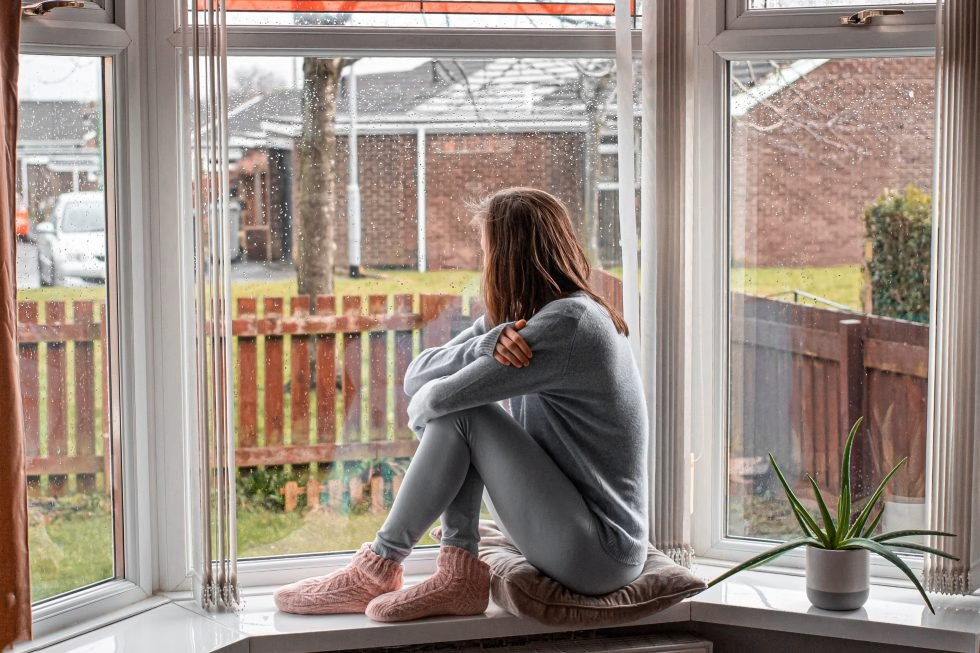
Explore treatment options for SAD. Visit urgent care near you for proper care and treatment. Walk-in, no appointment needed.
As the days grow shorter and the weather turns colder, many people in East Tennessee find themselves spending more time indoors. With our region’s stunning landscapes—from the Great Smoky Mountains to the rolling hills of the Appalachian foothills—it’s easy to feel a longing for those sun-filled summer days. While Seasonal Affective Disorder (SAD) affects many people across the country, the reduced daylight and chilly winters common in East Tennessee can intensify its impact. If you’re looking for alternative ways to manage SAD, beyond traditional treatments, this guide explores options that could bring light to the darker months.
While light therapy, psychotherapy, and medication are the most common approaches to treating SAD, many individuals seek complementary or alternative treatments. These methods might not replace standard care but can offer additional relief. Before trying any new approach, it’s essential to consult with your healthcare provider to ensure that it’s safe and suitable for you.
Visit AFC Urgent Care clinics of East Tennessee today.
Common Alternative Treatments for SAD
Here are some alternative treatments that people explore to help manage SAD symptoms:
Herbal Remedies
- St. John’s Wort: Often used for mild to moderate depression, this herbal supplement is thought to influence mood-regulating brain chemicals.
- Saffron Extract: Some studies suggest that saffron may have antidepressant effects.
- Ginkgo Biloba: Believed to improve blood flow to the brain, this herb may support mood stabilization.
Important Note: Herbal remedies are not regulated by the FDA in the same way as medications. Always consult a healthcare provider before adding them to your routine, as they may interact with other medications. Our team of providers at AFC can be of service.
Vitamin D Supplements
- Low levels of vitamin D have been linked to depression, including SAD.
- Supplementing with vitamin D can help if you’re not getting enough sunlight exposure.
- Foods rich in vitamin D, like fortified milk, salmon, and eggs, can also support healthy levels.
Aromatherapy
- Certain essential oils, like lavender, bergamot, or rose, are believed to help reduce stress and improve mood.
- Diffusers, aromatherapy candles, or adding essential oils to a bath are popular ways to enjoy their benefits.
Exercise and Movement Therapies
- Regular physical activity, such as walking, yoga, or dance, can help boost endorphins and reduce stress.
- Try winter hikes in East Tennessee’s scenic trails, like those in the Great Smoky Mountains National Park or along the Appalachian Trail, to combine outdoor light exposure with exercise.
- Group fitness classes, such as tai chi or Pilates, provide both movement and social interaction, which can alleviate symptoms of SAD.
Mind-Body Techniques
- Meditation and Mindfulness: These practices help reduce stress and bring focus to the present moment.
- Acupuncture: Some believe acupuncture can help balance the body’s energy and improve mood.
- Journaling: Writing down thoughts and feelings can provide clarity and help manage stress.
Dietary Supplements
- Omega-3 Fatty Acids: Found in fish oil, walnuts, and flaxseeds, omega-3s are thought to support brain health and mood regulation.
- Probiotics: A healthy gut microbiome has been linked to improved mood. Foods like yogurt, kefir, and sauerkraut are excellent sources.
Light-Enhancing Strategies at Home
- Rearrange furniture to maximize exposure to natural light in your living spaces.
- Use daylight-simulating bulbs to brighten dark rooms.
- Spend time near windows, even on overcast days, to soak in indirect sunlight.
Considerations When Exploring Alternative Treatments
While these alternative approaches may help alleviate SAD symptoms, it’s crucial to keep a few things in mind:
- Consult with a Professional: Before starting any new supplement or therapy, check with your healthcare provider or visit our urgent care clinics to avoid potential interactions or side effects.
- Consistency Matters: Many alternative treatments require regular use to be effective.
- Not a Replacement for Medical Care: These methods work best when paired with traditional treatments like light therapy, medication, or psychotherapy.
Finding the Right Mix
Coping with SAD requires a multifaceted approach, and alternative treatments can play a valuable role in enhancing your overall well-being. In East Tennessee, where the natural beauty contrasts sharply with the seasonal changes, combining local outdoor activities with these strategies might help brighten your mood during the darker months. Whether it’s a hike through Cades Cove or a quiet moment meditating with lavender oil, these small efforts can make a big difference.


